Most of your day is automatic
I used to think I was making decisions all day long. What to do, when to work, when to relax, what to eat, when to start something important. It felt like I was constantly choosing.
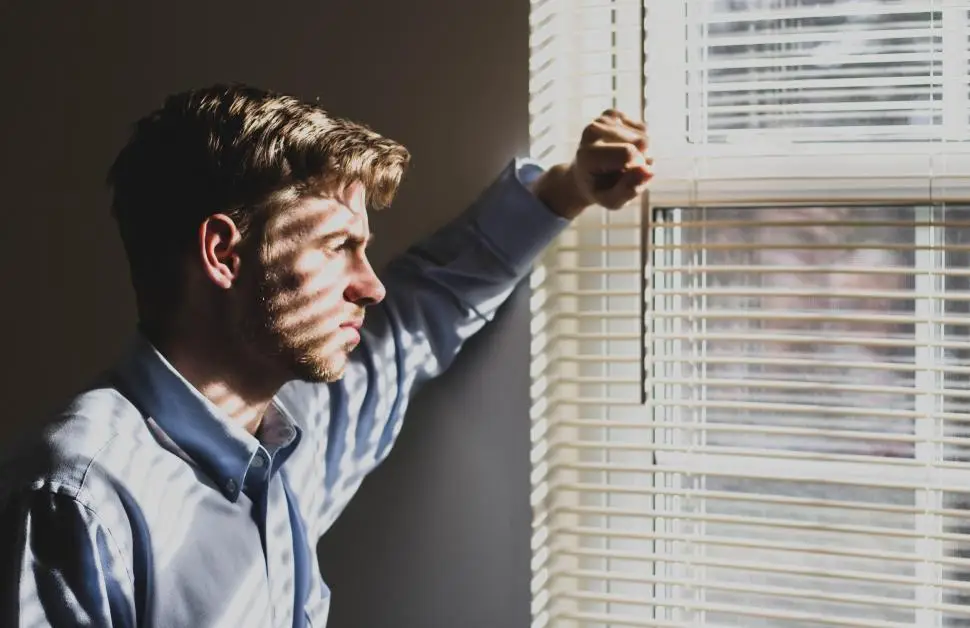
Then I started paying attention to my days more carefully and realized something uncomfortable. Most of what I was doing wasn’t really a decision. It was a pattern.
I would wake up and grab my phone without thinking. Open the same websites. Drink coffee at the same time. Procrastinate in the same way. Even the way I avoided work was predictable. It was almost like my day was running on a script I didn’t consciously write.
That’s when I started realizing how much of life is habit, not decision.
The brain is always trying to save effort
The brain is not trying to make you successful. It’s trying to make you efficient.
If you repeat something enough times, your brain turns it into a pattern so you don’t have to think about it anymore. Thinking takes energy. Automatic behavior takes less energy. So the brain slowly turns repeated actions into routines that run in the background.
After a while, you don’t decide to do the habit anymore. You just do it.
This is great if the habit is reading, exercising, writing, studying, or working on something important. It’s not so great if the habit is scrolling, procrastinating, snacking, or avoiding difficult tasks.
Your brain doesn’t really care which habits you build. It just automates whatever you repeat.
Why bad habits are so easy to build
Most bad habits don’t feel like bad habits while you’re doing them.
They feel easy. Comfortable. Entertaining. They solve boredom immediately. They reduce stress immediately. They give you a small reward right away. That’s why they stick so well.
Good habits are usually the opposite. They feel uncomfortable at first. Reading takes effort. Exercise takes effort. Learning something new takes effort. Sitting down to work when you don’t feel like it takes effort.
So most of the time, you are choosing between what feels good now and what will be good later. And the brain is heavily biased toward now.
Habits slowly change how you see yourself
This part is subtle but very important.
If you start running a few times a week, after a while you don’t just see yourself as someone who runs sometimes. You start seeing yourself as a runner. If you read every day, you start seeing yourself as someone who reads. If you write regularly, you start seeing yourself as a writer. If you train consistently, you start seeing yourself as someone disciplined.
Identity changes slowly, and habits are one of the main ways it changes.
The opposite is also true, and this part is a bit uncomfortable. If you constantly postpone things, avoid difficult work, and break promises to yourself, you slowly start seeing yourself as someone who doesn’t follow through.
Habits shape identity much more than motivation ever will.
The problem with small habits is that they feel pointless
This is where most people quit.
Small habits don’t feel important when you are doing them. Reading ten pages of a book before your brain starts begging for YouTube doesn’t feel life-changing. Writing one page doesn’t feel impressive. Going for a short walk doesn’t feel like progress. Saving a small amount of money doesn’t feel meaningful.
So people stop, because they don’t see results fast enough.
But habits are not about what happens in one day. They are about what happens after hundreds of days. If one person reads a little every day and another person scrolls a little every day, the difference between them after a few years is enormous.
Not because of one big decision, but because of a small repeated action.
Most success stories are actually habit stories, but they don’t look exciting while they are happening. They look boring and repetitive.
Changing habits is often more about environment than willpower
People try to change habits by using willpower, but willpower runs out very quickly. Environment is usually stronger than willpower. Behavioral researchers have repeatedly found that environment strongly influences automatic behavior and habit formation. James Clear’s article on environment design explains how small environmental changes can dramatically affect daily habits
If your phone is next to you, you will check it. If junk food is in your kitchen, you will eat it. If your book is on your desk, you are more likely to read. If your running shoes are by the door, you are more likely to exercise.
A lot of behavior is not about discipline. It’s about what is easy and what is available.
Change the environment, and habits start changing without as much effort.
Habits quietly shape your entire life
Most people think life changes through big decisions, big opportunities, or big moments.
In reality, life changes through small actions repeated thousands of times. What you do every day matters more than what you do once in a while. What you repeat matters more than what you intend. What you practice matters more than what you plan.
Your habits are not a small part of your life.
They are your life.
Continue Your Learning
If you’d like to build better habits and understand why small daily actions have such a powerful long-term impact, these books are excellent places to start.